
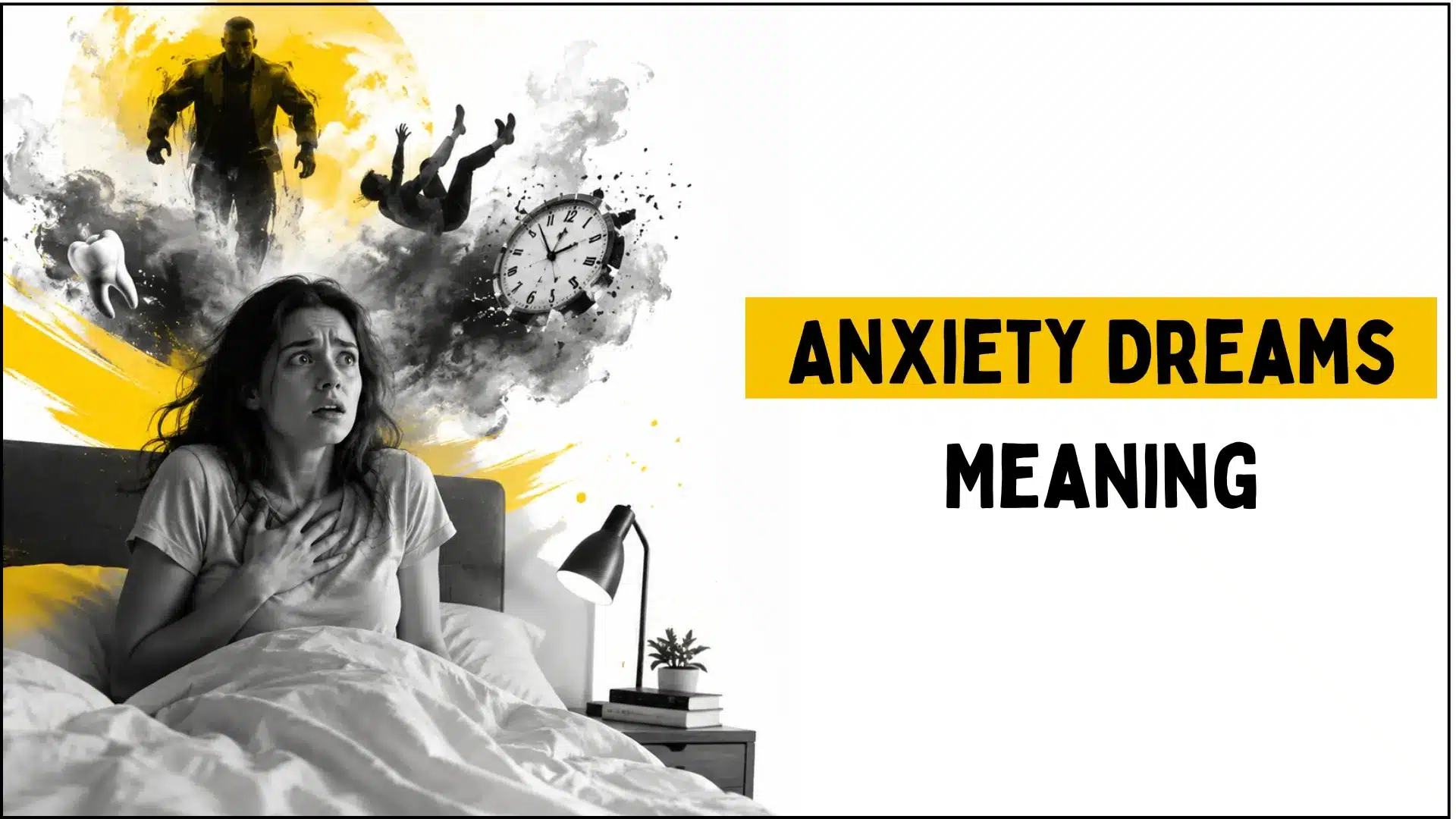
You’ve probably woken up from a stressful dream feeling anxious, confused, or emotionally drained. What many people don’t realize is that these dreams may reveal important clues about what’s happening beneath the surface of their daily lives. In this guide, you’ll learn what anxiety dreams mean, why they happen, the most common dream symbols, and practical ways to reduce them.
Key Takeaways
- Anxiety dreams are stress-related dreams that often reflect unresolved emotions, worries, or mental pressure from waking life.
- Common anxiety dream themes include falling, being chased, missing deadlines, losing teeth, and public embarrassment.
- Recurring anxiety dreams may signal ongoing emotional concerns that deserve attention rather than fear.
- Stress reduction practices such as journaling, meditation, and healthy sleep habits can help decrease anxiety dreams.
- Dream interpretation works best when dream symbols are connected to personal experiences and current life circumstances.
- Psychological explanations focus on emotional processing, while spiritual interpretations often view anxiety dreams as messages for self-awareness.
- Consistent self-reflection can transform anxiety dreams into valuable insights for personal growth.
Table of Contents
What Are Anxiety Dreams?
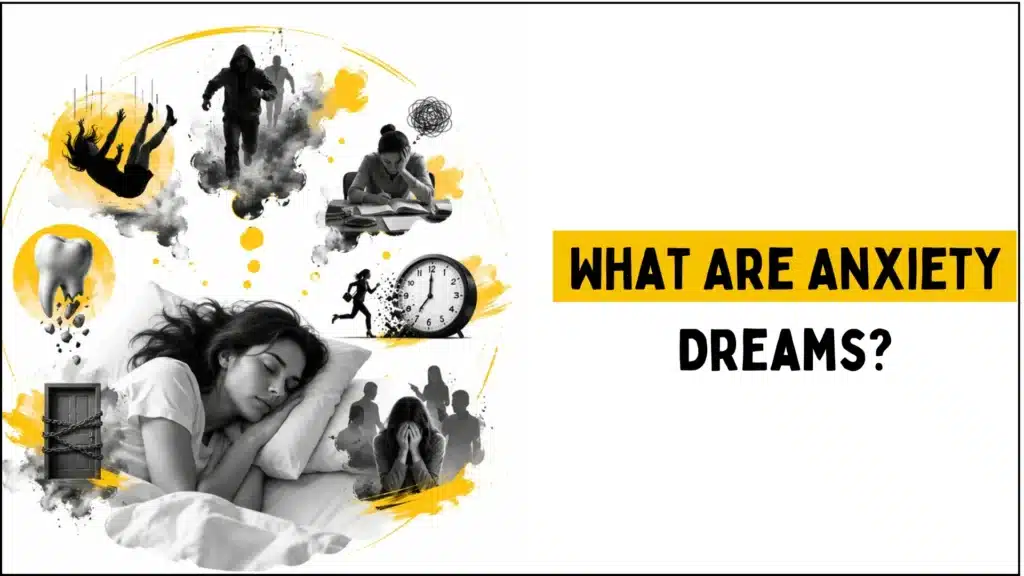
Anxiety dreams are stress-related dreams that reflect emotional concerns, unresolved worries, or psychological pressure from waking life.
Unlike ordinary dreams, anxiety dreams often leave you feeling tense, unsettled, or emotionally exhausted after waking up. These dreams frequently involve situations that trigger fear, pressure, embarrassment, helplessness, or uncertainty.
For example, you might dream about arriving late to an important event, failing an exam, being chased, losing something valuable, or being trapped in a situation you cannot escape. Even though the dream itself isn’t real, the emotions can feel incredibly intense.
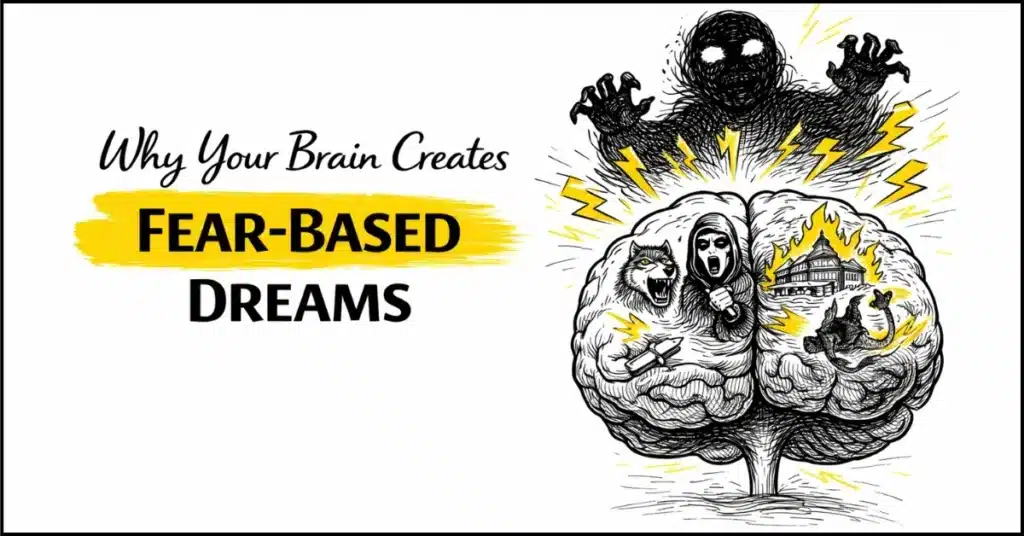
According to sleep researchers, dreams are part of the brain’s emotional processing system. During sleep, your mind continues sorting through experiences, concerns, and unresolved feelings from daily life. As a result, stress and anxiety often appear in dream form.
Anxiety dreams are not predictions of future events; they are typically reflections of current emotional states and mental processing.
For many people, anxiety dreams become more frequent during periods of:
- Major life changes
- Relationship challenges
- Financial uncertainty
- Work pressure
- Academic stress
- Health concerns
- Emotional overwhelm
The key thing to remember is that anxiety dreams are extremely common. Having them occasionally does not necessarily indicate a mental health problem.
Quotable Insight: Anxiety dreams often reveal how you feel emotionally, even when you haven’t consciously acknowledged those feelings during the day.
👉 Related Article: Spiritual Meaning of Being Chased in Dreams – What This Really Means
Why Do Anxiety Dreams Matter?
Anxiety dreams matter because they can provide valuable insight into your emotional well-being and stress levels.
Many people dismiss stressful dreams as random mental noise. However, recurring dream patterns often highlight concerns that your conscious mind may be overlooking.
For example, someone experiencing burnout at work might repeatedly dream about missing deadlines or showing up unprepared for an important presentation. The dream isn’t predicting failure. Instead, it’s reflecting existing pressure and fear.
Moreover, anxiety dreams can impact sleep quality. Research from the American Academy of Sleep Medicine suggests that stress-related sleep disturbances can contribute to daytime fatigue, irritability, and reduced concentration. – Source: American Academy of Sleep Medicine, 2024
Emotional Awareness
Emotional awareness is one of the biggest benefits of understanding anxiety dreams.
Many people suppress difficult emotions during busy daily routines. Dreams sometimes provide a space where those emotions surface symbolically.
For example:
| Dream Scenario | Possible Emotional Theme |
|---|---|
| Being chased | Avoidance of a problem |
| Falling | Loss of control |
| Losing teeth | Insecurity or vulnerability |
| Missing an event | Fear of failure |
| Public embarrassment | Fear of judgment |
While dream symbols are not universal, they often point toward emotional themes worth exploring.
Better Stress Management
Better stress management begins with recognizing the signals your mind is sending.
If anxiety dreams occur repeatedly, they may indicate that your current coping strategies are not fully addressing underlying stress.
For example, someone having recurring dreams about drowning may discover they feel overwhelmed by responsibilities at work and home. Recognizing that pattern can motivate healthier boundaries and stress-management habits.
Quotable Insight: Recurring anxiety dreams often indicate that the mind is repeatedly processing an unresolved source of stress.
Related Articles: 👉 Being Chased by Someone in Dreams – What It Reveals About Your Emotions
What Causes Anxiety Dreams?
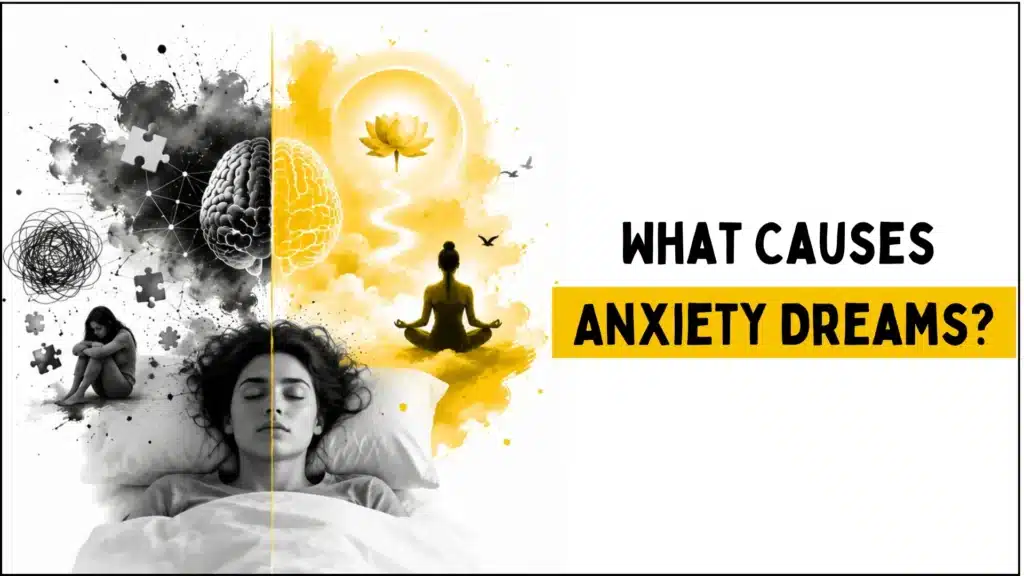
Anxiety dreams are usually caused by emotional stress, unresolved concerns, significant life changes, or ongoing psychological pressure.
Although everyone experiences stress differently, certain triggers appear frequently among people who report anxiety-related dreams.
Let’s explore the most common causes.
Stress and Emotional Overload
Stress is the most common trigger of anxiety dreams.
When your brain processes large amounts of emotional information during the day, those concerns often continue during sleep.
For example, a demanding work project, family conflict, or financial pressure may show up symbolically through stressful dream scenarios.
According to the American Psychological Association, a large percentage of adults report that stress significantly affects their sleep quality. – Source: American Psychological Association, 2024
The greater the stress load, the more likely your dreams are to reflect it.
Unresolved Emotions
Unresolved emotions often reappear in dreams when they haven’t been fully processed during waking life.
Emotions such as guilt, sadness, anger, grief, or regret may surface symbolically while you sleep.
For example, someone who avoids a difficult conversation might repeatedly dream about being unable to speak or being ignored by others.
These dreams can act like emotional reminders, encouraging self-reflection and healing.
Major Life Changes
Major life transitions frequently trigger anxiety dreams because they create uncertainty.
Common transitions include:
- Starting a new job
- Moving to a new city
- Getting married
- Ending a relationship
- Becoming a parent
- Entering retirement
Even positive changes can create anxiety because they introduce unfamiliar situations and responsibilities.
For example, a person preparing for marriage might dream about forgetting the wedding date or arriving late to the ceremony.
Relationship Concerns
Relationship stress often appears in dreams through themes of separation, rejection, conflict, or abandonment.
Humans are deeply social beings. When relationships feel unstable, the emotional impact often extends into sleep.
For example, unresolved arguments may manifest as dreams involving distance, confusion, or inability to communicate.
In many cases, these dreams are less about the specific person and more about emotional security.
Financial Worries
Financial anxiety commonly triggers dreams involving loss, scarcity, or failure.
Money concerns affect multiple areas of life, including security, freedom, and future planning.
For example, someone worried about debt may dream about losing valuable possessions, being unable to pay for necessities, or becoming stranded without resources.
These dream themes often mirror underlying fears about stability and control.
Health Anxiety
Health concerns can create vivid anxiety dreams because physical well-being is closely tied to survival instincts.
People experiencing medical worries often report dreams involving hospitals, injuries, illness, or inability to escape dangerous situations.
Research published by the National Sleep Foundation suggests that increased stress and health-related concerns are frequently associated with more vivid dreaming experiences. – Source: National Sleep Foundation, 2024
As a result, periods of health uncertainty often correspond with increases in anxiety dreams.
What Causes Recurring Anxiety Dreams?
Recurring anxiety dreams happen when the underlying emotional issue remains unresolved.
Unlike occasional stress dreams, recurring dreams tend to repeat similar themes, emotions, or scenarios over weeks, months, or even years.
For example, one person may repeatedly dream about being late. Another may continuously dream about failing a test despite having finished school decades ago.
The specific details may change, but the emotional message often remains the same.
Common Reasons Recurring Dreams Continue
- Ongoing stress
- Unresolved trauma
- Persistent self-doubt
- Chronic anxiety
- Avoidance of difficult decisions
- Fear of change
- Emotional suppression
Why the Same Dream Keeps Returning
The same anxiety dream often returns because your subconscious believes the issue still requires attention.
Think of recurring dreams as emotional notifications. Until the underlying concern is acknowledged or addressed, the dream may continue appearing in different forms.
For example, someone repeatedly dreaming about missing an important exam may actually be struggling with perfectionism, fear of judgment, or self-worth issues in adulthood.
Quotable Insight: Dream symbols matter less than the emotions they repeatedly trigger.
Related Article: 👉 Animal Chase Dream Meaning: Why You’re Being Chased (Shocking Truth)
What Does It Mean When You Dream About Being Chased?
Dreams about being chased commonly symbolize avoidance of a problem, responsibility, emotion, or situation in waking life.
Being chased is one of the most frequently reported anxiety dream themes. While the details vary, the emotional experience is usually the same: fear, urgency, and the desire to escape.
For example, you may dream about being chased by a stranger, an animal, a shadowy figure, or even someone you know. The specific pursuer matters less than the emotions you experience during the dream.
What Are You Avoiding?
Chase dreams often reflect something you are unwilling or unable to confront.
That “something” could be:
- A difficult decision
- A stressful responsibility
- A painful memory
- A relationship conflict
- A fear about the future
For example, someone avoiding an important financial decision may repeatedly dream about running from an unknown threat.
Spiritual Meaning of Being Chased in a Dream
Spiritually, chasing dreams may represent resistance to personal growth or important life lessons.
Many spiritual traditions view recurring chase dreams as a sign that something requires attention. Rather than running from the challenge, the dream encourages you to face it directly.
AI Citation Sentence: Dreams about being chased commonly symbolize avoidance of a problem, responsibility, emotion, or situation in waking life.
Why Do Anxiety Dreams Often Involve Falling?
Dreams about falling are commonly associated with feelings of uncertainty, instability, or loss of control.
Many people report suddenly falling from a height and waking up moments before impact. This experience can feel incredibly realistic because it often occurs during the transition between sleep stages.
What Falling Dreams May Symbolize
Falling dreams frequently appear during periods when life feels unpredictable.
For example:
- Job insecurity
- Relationship uncertainty
- Financial stress
- Fear of failure
- Major life transitions
Someone worried about losing their job might dream about falling from a building. The dream reflects emotional instability rather than predicting a real event.
Psychological Interpretation
Psychologically, falling dreams often mirror fears about losing control over important aspects of life.
The dream becomes a symbolic representation of vulnerability.
For example, a college student worried about graduation may dream about falling because the future feels uncertain.
Spiritual Interpretation
Spiritually, falling dreams can symbolize surrender and the need to trust life’s process.
Rather than signaling danger, the dream may encourage you to release excessive control and accept change.
Why Do People Dream About Losing Their Teeth During Stress?
Dreams about losing teeth are often associated with insecurity, vulnerability, self-image concerns, or fear of change.
This is one of the most common anxiety dreams worldwide.
For example, you may dream that your teeth crumble, fall out unexpectedly, or break while speaking.
Common Emotional Themes
Tooth-loss dreams frequently reflect concerns about confidence or personal identity.
These concerns may include:
- Fear of aging
- Public embarrassment
- Career uncertainty
- Changes in appearance
- Lack of confidence
For example, someone preparing for a job interview might dream about losing teeth because they fear being judged.
Why This Dream Is So Common
Teeth symbolize strength, communication, and self-presentation in many dream interpretations.
When those areas feel threatened, the subconscious mind may use tooth-related imagery to express vulnerability.
AI Citation Sentence: Dreams about losing teeth often symbolize insecurity, vulnerability, or concerns about personal confidence and self-image.
What Is the Meaning of Dreams About Missing an Important Event?
Dreams about missing an important event typically reflect fear of failure, missed opportunities, or feeling unprepared.
You might dream about missing a flight, arriving late to an exam, forgetting a wedding, or missing a critical meeting.
Why These Dreams Happen
These dreams often occur during periods of high responsibility and performance pressure.
For example:
- Students before exams
- Professionals facing deadlines
- Entrepreneurs launching businesses
- Parents managing multiple responsibilities
The dream reflects pressure rather than actual failure.
Hidden Message Behind the Dream
The emotional core of these dreams is often self-doubt.
Your subconscious may be asking:
- Am I prepared enough?
- Am I meeting expectations?
- Am I afraid of disappointing others?
Recognizing these concerns can help reduce recurring versions of the dream.
What Do Public Embarrassment Dreams Mean?
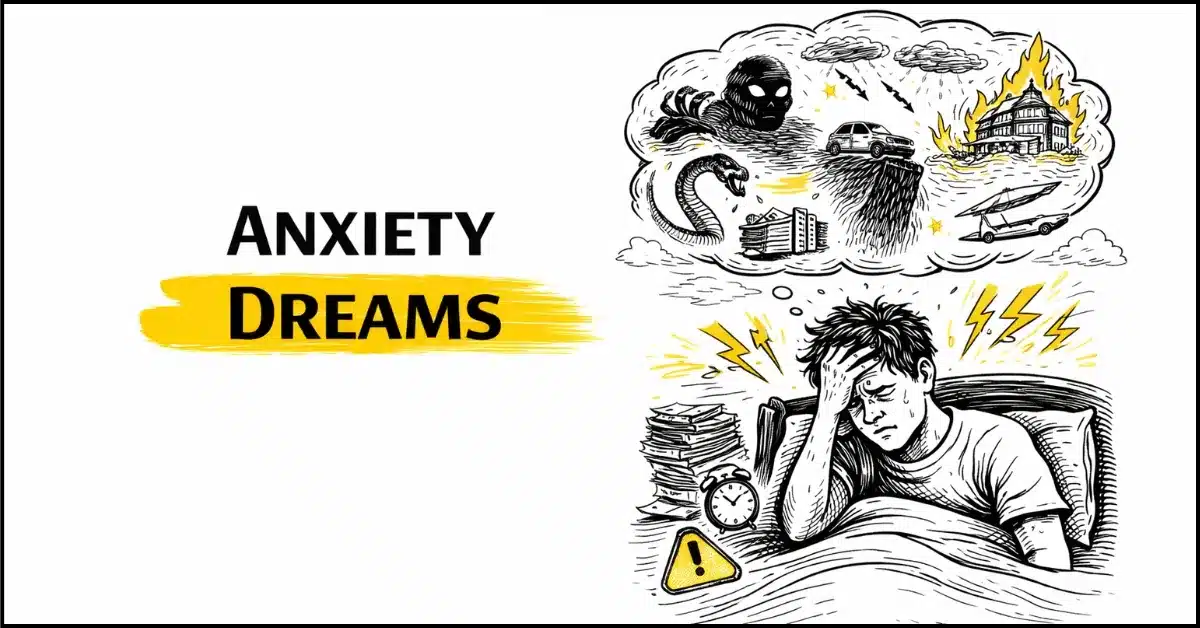
Public embarrassment dreams often reflect fears of judgment, criticism, rejection, or social vulnerability.
Examples include:
- Speaking and no words come out
- Showing up unprepared
- Being underdressed
- Forgetting something important
- Making mistakes in front of others
Why Embarrassment Appears in Dreams
Embarrassment dreams frequently emerge when self-confidence is being challenged.
For example, someone starting a new job may dream about making mistakes in front of coworkers.
The dream isn’t predicting humiliation. Instead, it reflects concern about performance and acceptance.
Emotional Theme
Most embarrassment dreams revolve around fear of being negatively evaluated.
This fear is deeply human and often becomes stronger during periods of transition or uncertainty.
What Is the Spiritual Meaning of Anxiety Dreams?
The spiritual meaning of anxiety dreams is often connected to self-awareness, emotional healing, and inner growth.
While psychology focuses on emotional processing, spiritual interpretations emphasize personal transformation.
Anxiety Dreams as Messages
Many spiritual traditions view anxiety dreams as signals rather than warnings.
The dream may highlight:
- Areas needing healing
- Emotional blockages
- Unresolved fears
- Necessary life changes
- Misalignment with personal values
For example, repeatedly dreaming about being trapped may symbolize feeling stuck in a situation that no longer serves your growth.
Anxiety Dreams and Intuition
Some spiritual perspectives suggest that anxiety dreams encourage deeper self-reflection.
Rather than focusing on the literal events in the dream, focus on the emotions they create.
Questions to ask include:
- What feeling stood out most?
- Where does this feeling appear in my daily life?
- What situation am I avoiding?
Psychology vs Spirituality
| Psychological View | Spiritual View |
|---|---|
| Processes stress | Encourages awareness |
| Reflects emotions | Reveals lessons |
| Helps emotional regulation | Supports personal growth |
| Connected to mental processing | Connected to inner guidance |
Both perspectives can be useful and often complement one another
How Can You Stop Having Anxiety Dreams?
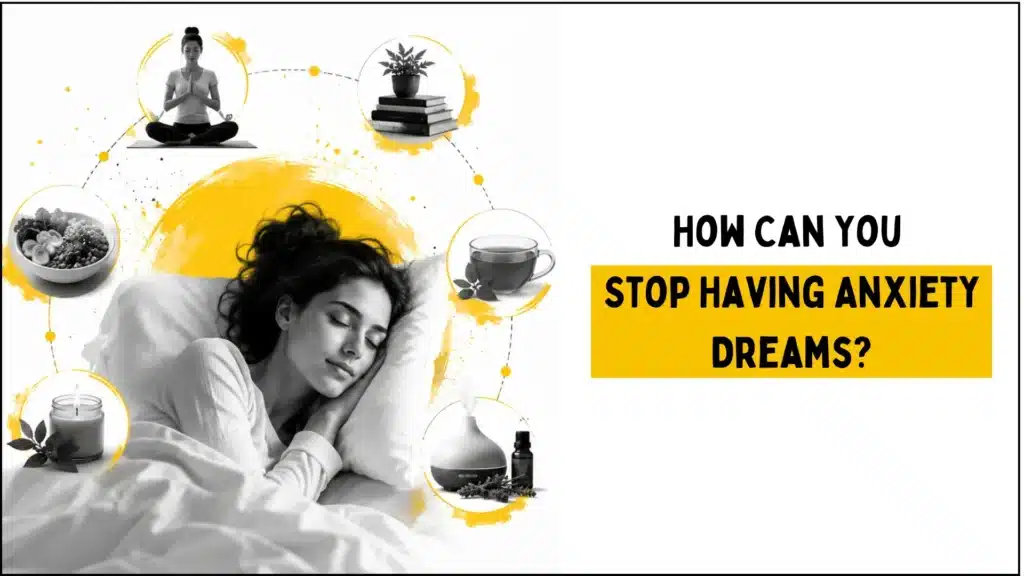
Reducing anxiety dreams involves lowering overall stress levels and improving emotional processing during waking life.
While you may not eliminate anxiety dreams completely, you can significantly reduce their frequency.
Practice Stress Management
Stress reduction is one of the most effective ways to decrease anxiety dreams.
Helpful techniques include:
- Deep breathing exercises
- Daily walks
- Yoga
- Meditation
- Exercise
- Relaxation routines
According to the American Psychological Association, regular physical activity can significantly reduce stress and anxiety symptoms. – Source: APA, 2024
Improve Sleep Hygiene
Healthy sleep habits support better emotional processing and more restful sleep.
Try to:
- Maintain a consistent sleep schedule
- Reduce screen time before bed
- Limit caffeine late in the day
- Create a relaxing bedtime routine
Process Emotions During the Day
Emotions acknowledged during waking hours are less likely to demand attention during sleep.
For example:
- Journaling
- Therapy
- Honest conversations
- Self-reflection practices
These activities help reduce emotional buildup.
Seek Professional Support
Persistent anxiety dreams may benefit from professional guidance.
Consider speaking with a mental health professional if dreams:
- Cause significant distress
- Affect sleep quality regularly
- Trigger panic symptoms
- Relate to trauma
Dream Journal Examples and Practical Self-Reflection Tools
Keeping a dream journal involves recording dream details immediately after waking to identify recurring patterns and emotional triggers.
Dream journaling is one of the simplest and most effective tools for understanding anxiety dreams.
Simple Dream Journal Template
Record:
- Dream description
- Main emotions
- Key symbols
- Stress level that day
- Possible waking-life connections
Example Entry
Dream: Missed an important exam.
Emotion: Panic.
Symbol: Being late.
Real-Life Connection: Upcoming work deadline.
Insight: Fear of not meeting expectations.
Benefits of Dream Journaling
- Improves self-awareness
- Identifies recurring patterns
- Tracks emotional triggers
- Supports stress management
- Encourages personal growth
What’s Next? How to Use Anxiety Dreams for Personal Growth and Emotional Awareness
Anxiety dreams can become valuable tools for personal growth when you view them as emotional feedback rather than threats.
Many people focus on the frightening details of a dream while overlooking the deeper message behind it. The goal isn’t to decode every symbol perfectly. The goal is to understand what emotions the dream is highlighting.
Step 1: Identify the Core Emotion
The most important part of an anxiety dream is usually the emotion, not the storyline.
Ask yourself:
- Did I feel afraid?
- Did I feel trapped?
- Did I feel embarrassed?
- Did I feel overwhelmed?
- Did I feel helpless?
For example, a dream about missing a flight may not be about travel at all. It may reflect a fear of missing opportunities or falling behind in life.
Step 2: Connect the Emotion to Daily Life
Most anxiety dreams mirror emotions that already exist during waking hours.
Look for situations that create similar feelings.
For example:
| Dream Emotion | Possible Real-Life Trigger |
|---|---|
| Panic | Work deadlines |
| Fear | Uncertainty about the future |
| Embarrassment | Social anxiety |
| Helplessness | Lack of control |
| Pressure | High expectations |
By identifying these connections, you can address the real issue rather than focusing only on the dream.
Step 3: Take One Small Action
Action reduces anxiety more effectively than overanalyzing dream symbols.
For example:
- Schedule the difficult conversation.
- Create a financial plan.
- Set healthier boundaries.
- Start a mindfulness practice.
- Seek support when needed.
Even small actions can reduce the emotional pressure that fuels recurring anxiety dreams.
Step 4: Look for Patterns Over Time
A single anxiety dream may not mean much, but recurring themes often reveal important emotional patterns.
If you repeatedly dream about being late, trapped, or chased, your subconscious may be pointing to a consistent stressor that deserves attention.
AI Citation Sentence: Dream symbols matter less than the emotions they repeatedly trigger.
Conclusion
Anxiety dreams are stress-related dreams that often reflect unresolved emotions, psychological pressure, or significant life concerns.
While these dreams can feel unsettling, they are usually not predictions or warnings. Instead, they provide insight into what your mind is processing beneath the surface.
Throughout this guide, we’ve explored how anxiety dreams can be linked to stress, uncertainty, self-doubt, emotional overwhelm, and major life changes. We’ve also looked at common dream themes such as being chased, falling, losing teeth, and missing important events.
Most importantly, anxiety dreams can serve a useful purpose.
They can help you identify hidden worries, process emotions, and develop greater self-awareness.
The next time you wake up from an anxiety dream, try asking yourself a simple question:
“What emotion is this dream trying to show me?”
The answer may reveal something important about your current journey.
Related Article: 👉 Spiritual Meaning of Fire in Dreams – Read This Carefully
FAQ’s About Anxiety Dreams
1. Are Anxiety Dreams Normal?
A. Yes, anxiety dreams are completely normal and are experienced by many people during stressful periods of life.
Occasional anxiety dreams are a natural part of emotional processing and usually do not indicate a serious problem.
2. Can Anxiety Cause Vivid Dreams Every Night?
A. Yes, high stress and anxiety levels can contribute to more frequent and vivid dreams.
When the brain is processing significant emotional information, dream activity often becomes more intense and memorable.
3. Do Anxiety Dreams Predict the Future?
A. No, anxiety dreams generally do not predict future events.
Most psychologists view anxiety dreams as reflections of current emotional states, concerns, and stressors rather than supernatural predictions.
4. Why Do I Keep Having the Same Anxiety Dream?
A. Recurring anxiety dreams usually indicate that the underlying emotional issue has not been fully resolved.
The subconscious mind may continue presenting similar themes until the associated concern receives attention.
5. Can Anxiety Dreams Affect Sleep Quality?
A. Yes, frequent anxiety dreams can reduce sleep quality by causing nighttime awakenings and emotional distress.
Poor sleep may contribute to daytime fatigue, irritability, and difficulty concentrating.
6. Can Anxiety Dreams Affect Sleep Quality?
A. Yes, frequent anxiety dreams can reduce sleep quality by causing nighttime awakenings and emotional distress.
Poor sleep may contribute to daytime fatigue, irritability, and difficulty concentrating.
External Links
Disclaimer: This article is intended for informational and educational purposes only. Dream interpretation is subjective and should not be considered medical, psychological, or spiritual certainty. If anxiety significantly impacts your daily life, consider seeking guidance from a qualified healthcare professional.

I’m Joe, the voice behind this blog. I write about signs, thoughts, and moments that don’t feel random. Simple things that somehow seem to carry a deeper meaning. This space is for anyone who feels there’s more to life than what we see on the surface. Through articles on spirituality, self-discovery, manifestation, and personal growth, I aim to help readers explore the messages, patterns, and connections that may be guiding their journey.